
Realfoot sizes chart

| UK size | EU size | Length (cm) | Width A (cm) | Width B (cm) |
| 2 | 33 | 21,3 | 7,9 | 9,3 |
| 2.5 | 34 | 22,0 | 8,2 | 9,6 |
| 3 | 35 | 22,7 | 8,4 | 9,9 |
| 3.5 | 36 | 23,4 | 8,7 | 10,2 |
| 4.5 | 37 | 24,1 | 9,0 | 10,5 |
| 5.5 | 38 | 24,8 | 9,2 | 10,8 |
| 6 | 39 | 25,5 | 9,5 | 11,1 |
| 7 | 40 | 26,2 | 9,7 | 11,4 |
| 8 | 41 | 26,9 | 10,0 | 11,7 |
| 8.5 | 42 | 27,6 | 10,3 | 12,0 |
| 9 | 43 | 28,3 | 10,5 | 12,3 |
| 10 | 44 | 29,0 | 10,8 | 12,6 |
| 10.5 | 45 | 29,7 | 11,0 | 12,9 |
| 11 | 46 | 30,4 | 11,3 | 13,2 |
| 12 | 47 | 31,1 | 11,6 | 13,5 |
Beginner-Friendly Styles
-
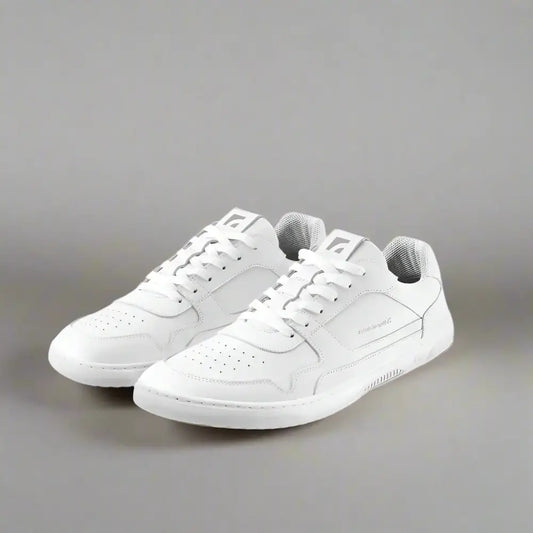
ZING All White Barefoot Trainers
Regular price £129.00 GBPRegular priceUnit price per£129.00 GBPSale price £129.00 GBP -
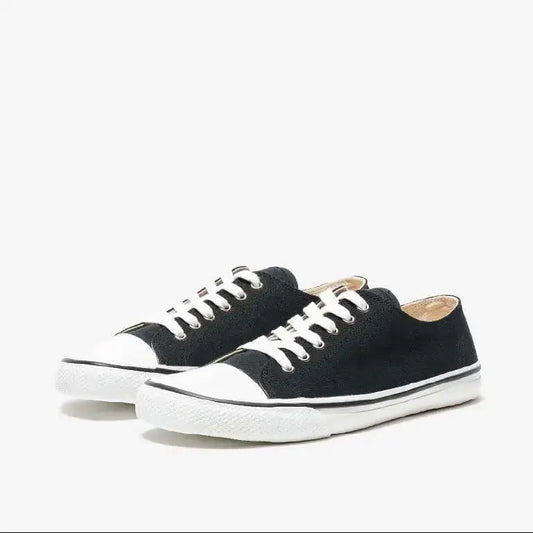
HERLIK Black-White barefoot trainers
Regular price £115.00 GBPRegular priceUnit price per£115.00 GBPSale price £115.00 GBP -
HORIZON N6001 Terra Barefoot Sandals
Regular price £65.00 GBPRegular priceUnit price per£80.00 GBPSale price £65.00 GBPSale -
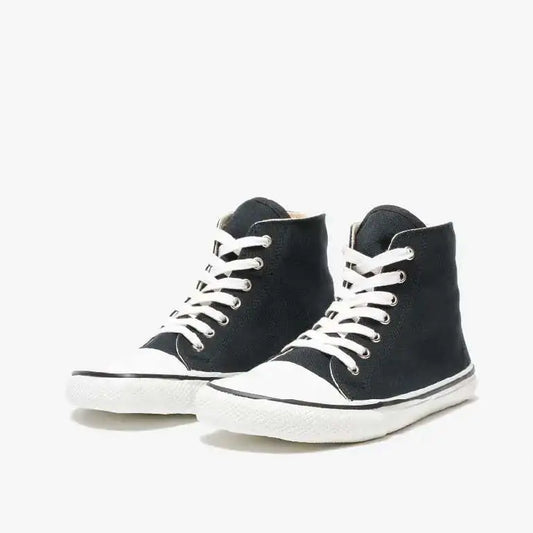
ORIK 2.0 High Ankle Barefoot Trainers
Regular price £118.00 GBPRegular priceUnit price per£118.00 GBPSale price £118.00 GBP

Questions we hear a lot
Will they hurt at first?
A little muscle soreness in the first couple of weeks is normal - it's a sign your feet are adapting and getting stronger. If something feels sharp or doesn't ease up, just slow the transition down a bit. There's genuinely no rush.
How different do they feel from regular shoes?
Noticeably different - but in a good way. More room, more ground feel, and a sense that your feet are actually doing something. Most people find it feels surprisingly natural from the very first wear.
Are barefoot shoes good for running?
Yes - but take it gradually. Start by walking in them, then introduce short runs and build up slowly. Many runners find that once they've made the transition, they wouldn't go back - better ground feel, a more natural stride, and less impact on the joints.
Can I wear barefoot shoes in winter?
Absolutely. Several brands in our range offer insulated and lined boots that hold up well against the classic British winter - waterproof options included. Have a look at our Boots collection for cold-weather styles that don't compromise on the barefoot feel. Want to know more about how it all works? Read our guide: Warm Winter in Barefoot Shoes
How long does it take to get used to barefoot shoes?
It really depends on the person, but as a rough guide most people feel genuinely comfortable after 4–6 weeks of gradual wear.
The key word is gradual. Start with an hour or two a day and slowly build up. The more patiently you approach it, the smoother the transition tends to be.
Do I need special socks?
Regular socks work perfectly fine. But if you'd like to take it a step further, toe socks - like the ones from Knitido in our range - let each toe move independently and genuinely enhance the whole barefoot experience. Curious about the difference? Have a read: Toe Socks vs Regular Socks.
What if the fit isn't right?
Not a problem at all. We offer 30-day returns and exchanges with a prepaid return label. Just get in touch and we'll sort it out.