
What are barefoot shoes?
Barefoot footwear, also known as minimalist shoes or natural footwear, is a type of footwear designed to mimic barefoot walking. It differs from traditional footwear in its lightweight, flexibility, and low profile. The main idea of barefoot footwear is to provide the foot with maximum freedom of movement and support, allowing it to function more naturally.
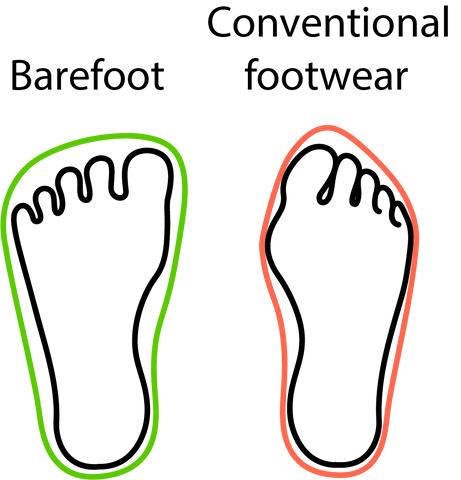
Key features of barefoot footwear include:
- Wide toe box: Barefoot shoes have a wider toe box, allowing toes to spread naturally and preventing constriction.
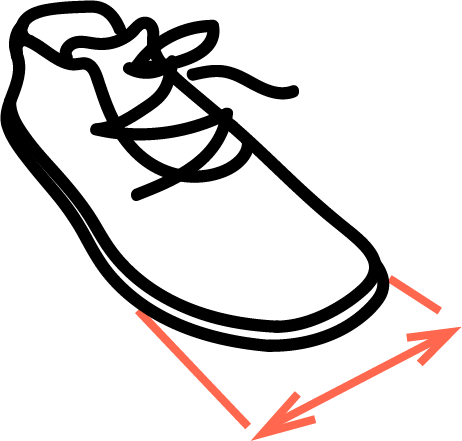
- Zero heel drop: Barefoot shoes have no heel elevation. This promotes even weight distribution, allowing the foot and the whole skeleton to maintain a more natural position without altering its anatomical structure.

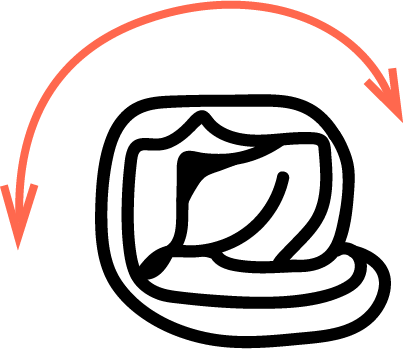
- Thin and flexible sole: Barefoot shoes usually have a flexible sole with a thickness of 4-5mm, allowing the foot to better feel the ground and facilitating more natural foot and leg muscle movement.
Barefoot footwear is becoming increasingly popular among those seeking a more natural and healthy way of walking and moving, as well as strengthening foot and leg muscles. However, before transitioning to barefoot footwear, it is important to consider the individual characteristics and needs of your feet, and to consult with a doctor or orthopedic specialist, especially if you have any foot or leg health issues.
Beginner-Friendly Styles
-
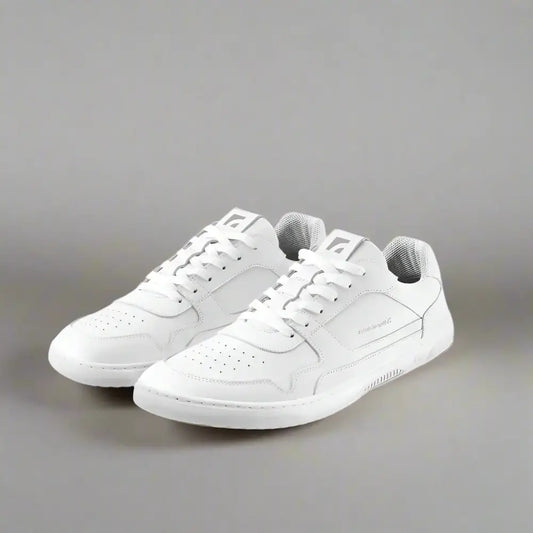
ZING All White Barefoot Trainers
Regular price £129.00 GBPRegular priceUnit price per£129.00 GBPSale price £129.00 GBP -
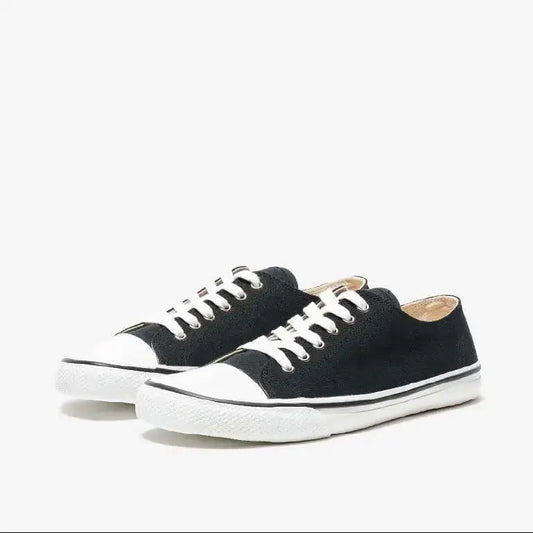
HERLIK Black-White barefoot trainers
Regular price £115.00 GBPRegular priceUnit price per£115.00 GBPSale price £115.00 GBP -
HORIZON N6001 Terra Barefoot Sandals
Regular price £65.00 GBPRegular priceUnit price per£80.00 GBPSale price £65.00 GBPSale -
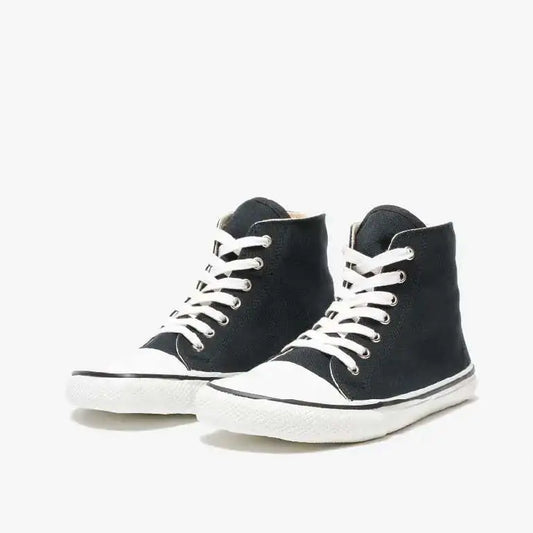
ORIK 2.0 High Ankle Barefoot Trainers
Regular price £118.00 GBPRegular priceUnit price per£118.00 GBPSale price £118.00 GBP

Questions we hear a lot
Will they hurt at first?
A little muscle soreness in the first couple of weeks is normal - it's a sign your feet are adapting and getting stronger. If something feels sharp or doesn't ease up, just slow the transition down a bit. There's genuinely no rush.
How different do they feel from regular shoes?
Noticeably different - but in a good way. More room, more ground feel, and a sense that your feet are actually doing something. Most people find it feels surprisingly natural from the very first wear.
Are barefoot shoes good for running?
Yes - but take it gradually. Start by walking in them, then introduce short runs and build up slowly. Many runners find that once they've made the transition, they wouldn't go back - better ground feel, a more natural stride, and less impact on the joints.
Can I wear barefoot shoes in winter?
Absolutely. Several brands in our range offer insulated and lined boots that hold up well against the classic British winter - waterproof options included. Have a look at our Boots collection for cold-weather styles that don't compromise on the barefoot feel. Want to know more about how it all works? Read our guide: Warm Winter in Barefoot Shoes
How long does it take to get used to barefoot shoes?
It really depends on the person, but as a rough guide most people feel genuinely comfortable after 4–6 weeks of gradual wear.
The key word is gradual. Start with an hour or two a day and slowly build up. The more patiently you approach it, the smoother the transition tends to be.
Do I need special socks?
Regular socks work perfectly fine. But if you'd like to take it a step further, toe socks - like the ones from Knitido in our range - let each toe move independently and genuinely enhance the whole barefoot experience. Curious about the difference? Have a read: Toe Socks vs Regular Socks.
What if the fit isn't right?
Not a problem at all. We offer 30-day returns and exchanges with a prepaid return label. Just get in touch and we'll sort it out.